Introduction
For Malaysian companies looking to reduce their carbon footprint and increase the share of renewable energy in their electricity mix, solar farm power is becoming more than a sustainability statement — it’s increasingly a strategic business decision. At Suria & Sonne, we’re often asked to explain the two routes that get discussed most in this space.
But when a company wants to buy electricity generated by a solar farm, the route it takes matters. Two terms frequently appear in Malaysia’s renewable energy landscape: Corporate Renewable Energy Supply Scheme (CRESS) and Large Scale Solar (LSS). Although both are linked to utility-scale solar generation, they serve different purposes — LSS is primarily a competitive bidding programme for developing large-scale solar photovoltaic plants, while CRESS provides eligible corporate consumers with a route to procure renewable electricity directly from renewable energy generators through open access to the electricity grid.
TL;DR: Key Takeaways
CRESS and LSS both relate to utility-scale solar in Malaysia, but answer different questions. LSS is about how large solar projects get built through competitive bidding. CRESS is about how a corporate buyer can directly procure renewable electricity from a generator through open grid access.
- LSS drives development of large-scale solar plants through competitive bidding.
- CRESS lets eligible corporates contract directly with renewable energy developers.
- Electricity is wheeled through the shared grid, not delivered by a dedicated cable.
- CRESS System Access Charges were cut in August 2025 to make procurement cheaper.
What Is LSS?
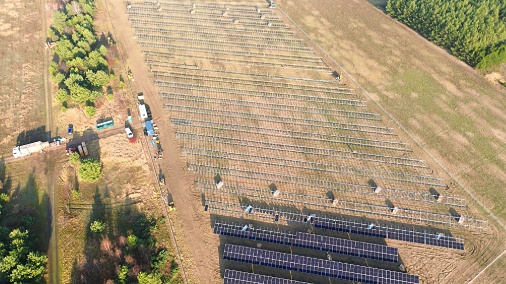
The Large Scale Solar (LSS) programme is a competitive bidding mechanism designed to encourage the development of large-scale solar photovoltaic plants in Malaysia, intended to drive down the levelised cost of energy through competitive bidding. In simple terms, LSS is primarily about how large solar projects are selected and developed, not a marketplace where a company can directly purchase a specific solar farm’s electricity.
A Competitive Route for Developing Large-Scale Solar
A solar developer participates in a competitive process, and successful projects generate electricity that is supplied according to the relevant electricity market and contractual arrangements. For corporates, this means LSS creates the supply infrastructure and generation capacity that can ultimately support Malaysia’s electricity transition, rather than offering a direct purchasing channel.
What Is CRESS?
CRESS takes a different approach. Introduced in September 2024, it was created to broaden corporate access to green electricity through an open-grid model, allowing eligible green consumers to source renewable electricity from renewable energy developers while using the existing electricity network to deliver that power, without the physical electrons needing to travel directly from farm to factory.
A More Direct Route for Corporate Renewable Energy Procurement
A renewable energy developer operates a qualifying generation facility, such as a solar farm. A corporate consumer agrees to purchase renewable electricity from that generator under mutually agreed commercial terms, and the electricity is then wheeled through the electricity network to the corporate consumer — the grid acts as the delivery network rather than a direct physical line.
How Does Buying Solar Farm Power Through CRESS Work?
At a high level, there are three key parties: the Renewable Energy Developer (RED), who develops and operates the generation facility; the Green Consumer, the corporate electricity user purchasing renewable energy; and the electricity network and market operators, who facilitate physical delivery, scheduling, metering and system operation.
The corporate consumer and renewable energy developer agree on the commercial terms of their electricity supply arrangement, and the developer pays the applicable System Access Charge (SAC) for using the electricity network. Importantly, the company does not necessarily stop buying electricity from its existing utility supplier — TNB continues to supply electricity when renewable generation is unavailable or when additional electricity is required, which makes CRESS fundamentally different from simply installing solar panels on a company’s own rooftop.
CRESS vs LSS: What Is the Difference?
The easiest way to understand the distinction is to think about their roles in the solar ecosystem.
Table 1: How CRESS and LSS differ across the solar ecosystem.
| CRESS | LSS | |
| Primary purpose | Corporate renewable electricity procurement | Development of large-scale solar projects |
| Main participants | Renewable energy developers and corporate green consumers | Solar developers competing through a bidding process |
| Electricity source | Renewable energy projects connected to the grid | Utility-scale solar PV projects |
| Corporate involvement | Can directly contract for renewable electricity | Generally an indirect beneficiary of utility-scale generation |
| Grid access | Open-grid access is central to the model | Operates under the relevant project and electricity market framework |
| Commercial model | Bilateral arrangements plus network access charges | Competitive project bidding and awarded generation arrangements |
So, if LSS answers “how do we develop more large-scale solar generation,” CRESS is closer to answering “how can a corporate buyer procure renewable electricity from a solar generator.” The two schemes shouldn’t be viewed as direct competitors — they address different parts of Malaysia’s renewable energy ecosystem.
Why Are Corporates Interested in Solar Farm Power?
For companies with substantial electricity consumption, renewable energy procurement can have both environmental and commercial implications. Manufacturers, data centres, logistics operators and large commercial facilities may consume significantly more electricity than a typical rooftop solar installation can provide, so a corporate renewable energy arrangement can allow a business to access renewable generation at a much larger scale.
There is also a growing ESG consideration, since companies with net-zero, renewable-energy or emissions-reduction targets increasingly need credible ways to demonstrate progress towards those goals. The programme has evolved too: in August 2025, the government announced revised CRESS System Access Charges, reducing them to 20 sen/kWh for firm supply and 40 sen/kWh for non-firm supply. These charges matter because they form part of the overall economics of procuring electricity through the open-grid arrangement.
Does This Mean Rooftop Solar Is No Longer Relevant?
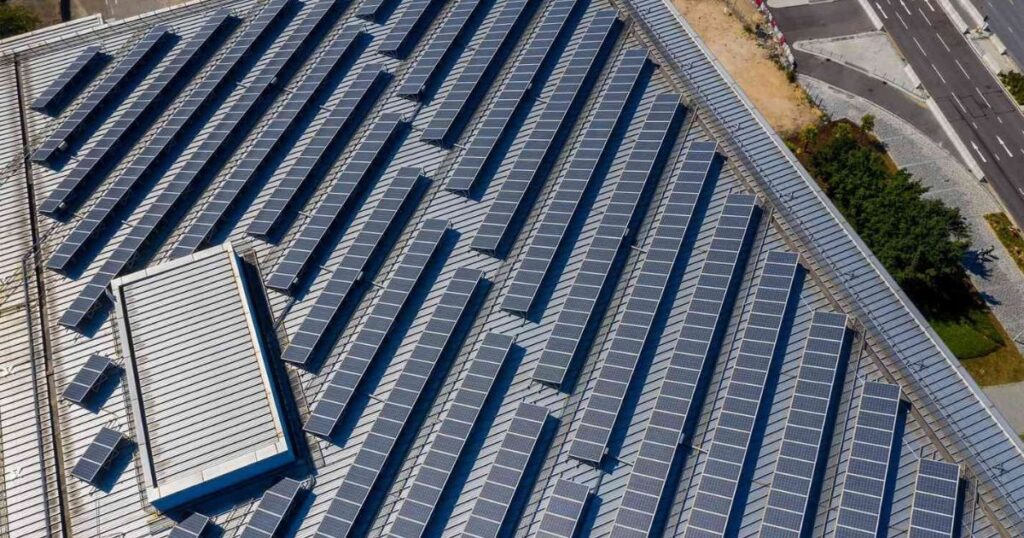
Does buying solar farm power replace rooftop solar? Far from it. For homeowners and businesses with suitable roofs, installing their own solar PV system can still be an effective way to reduce electricity purchased from the grid, since a rooftop system produces electricity close to where it is consumed, while a solar farm generates electricity at utility scale for corporate consumers through the network.
In other words, homeowners may reduce their electricity purchases by generating their own solar power, while large corporates may increasingly look towards large-scale renewable procurement to meet much greater energy requirements.
You can learn more about Suria & Sonne’s solar solutions and the company’s approach to solar PV installation.
What Should Corporates Consider Before Choosing CRESS?
Electricity Demand
Companies should first understand how much electricity they consume, when they consume it and how demand is expected to change. A data centre with round-the-clock electricity consumption, for example, has a very different renewable energy procurement profile from an office building that operates mainly during business hours.
Contract Structure
The commercial agreement with the renewable energy developer is another major consideration — businesses need to examine the contracted energy volume, pricing mechanism, duration, billing arrangements and provisions for changes in electricity demand. Under CRESS, the Bilateral Energy Supply Contract sets out important commercial matters between the renewable energy developer and green consumer.
Reliability and Firming
Solar generation is naturally intermittent — it does not generate electricity at night, and its output varies according to weather and solar conditions. CRESS therefore distinguishes between firm and non-firm supply, and battery storage and other measures can play a role in improving the reliability of renewable electricity supply as businesses seek renewable energy without compromising operational reliability.
You can view Suria & Sonne’s completed solar projects for examples of different solar PV applications.
Frequently Asked Questions About Solar Farm Power in Malaysia
Conclusion
Malaysia’s solar market is moving beyond the simple question of whether renewable energy is available — the bigger question is how businesses can access it at the scale they need. LSS has played an important role in building Malaysia’s utility-scale solar generation capacity through competitive bidding. CRESS, meanwhile, introduces a more direct pathway for eligible corporate consumers to procure renewable electricity from generators through open access to the grid.
For corporates pursuing ambitious energy and ESG targets, understanding this distinction is increasingly important — through mechanisms such as CRESS, a solar farm is no longer merely a distant field of photovoltaic panels, but can become part of a company’s long-term electricity procurement strategy. And for smaller consumers, the story is equally relevant: whether through rooftop solar or participation in future renewable energy initiatives, Malaysia’s energy transition is creating more ways for electricity users to make deliberate choices about where their power comes from. If you’d like to discuss what fits your property, book a consultation with Suria & Sonne.
Considering solar for your property?
Talk to our team about your electricity use and your roof, and we will recommend a system that fits.