Introduction
Investing in solar panels is a long-term decision. For Malaysian homeowners, the promise of a 25-year warranty can be one of the most reassuring parts of that investment; nobody wants to spend thousands of ringgit on a solar PV system only to worry about whether the panels will continue working years down the road. At Suria & Sonne, warranty terms are one of the things we walk every customer through before they commit.
But there is an important detail that is often overlooked: a 25-year solar panel warranty does not necessarily mean that every part of your solar system is covered for 25 years. In fact, solar warranties typically consist of different types of protection, covering everything from manufacturing defects to the panel’s ability to continue producing electricity over time. Understanding what that warranty actually covers can help homeowners make a more informed decision when comparing solar panels and installers.
TL;DR: Key Takeaways
A 25-year warranty on solar panels does not automatically cover the entire system for that period. It typically combines a shorter product warranty against manufacturing defects with a longer performance warranty guaranteeing output, while the inverter, installation workmanship and other components are usually covered separately.
- Product warranty covers defects; performance warranty covers long-term power output.
- Inverters, mounting and installation workmanship are usually covered separately.
- Some N-type modules guarantee over 87% of rated output after 30 years.
- Normal degradation isn’t a defect, since the performance warranty accounts for it.
What Is a 25-Year Solar Panel Warranty?
A 25-year solar panel warranty is not one single warranty that automatically covers everything, but a manufacturer’s assurance that the product will meet certain standards for a specified period. Most manufacturers provide separate warranties for product defects and workmanship, power or performance output, other components such as inverters, and installation workmanship depending on the installer.
This distinction matters because a panel could remain physically intact while gradually producing less electricity. Solar panels naturally degrade over time, so the performance warranty is designed to account for this decline.
Product Warranty vs Performance Warranty: What’s the Difference?
A product warranty covers defects in materials and workmanship, while a performance warranty relates to how much electricity the panel is expected to generate over time as it naturally degrades. These are frequently confused, but they protect against two completely different kinds of failure: one physical, one gradual.
Table 1: How a product warranty and a performance warranty differ.
| Product Warranty | Performance Warranty | |
| What it covers | Manufacturing defects and workmanship | Long-term power output over time |
| Typical duration | Often 10–25 years, varies by brand | Often 25–30 years |
| What triggers a claim | The panel malfunctions or fails outright | Output falls below the guaranteed percentage |
| Common remedy | Repair, replacement or other remedy | Repair, replacement or additional modules |
For example, some modern solar modules come with performance warranties extending to 25 or even 30 years. Jinko Solar’s published warranty documentation specifies that its N-type Tiger Neo modules are guaranteed to retain at least 87.4% of their nominal power after 30 years. This means a panel does not need to produce exactly the same amount of electricity in year 25 as it did when it was new.
What Does the 25-Year Warranty Actually Cover?
A 25-year solar panel warranty typically covers three things: manufacturing defects for a specified product warranty period, long-term power output through a separate performance warranty, and a defined remedy such as repair, replacement or additional modules if the panel fails to meet its warranty conditions.
Manufacturing Defects
Solar panels are designed to operate outdoors for decades, exposed to Malaysia’s intense sunlight, rain, humidity and temperature changes. If a defect in materials or workmanship causes the panel to fail within the applicable product warranty period, the manufacturer may provide a remedy. The exact duration varies by brand and model, so homeowners should never assume that a “25-year warranty” refers to the product warranty. Some manufacturers provide a shorter product warranty alongside a longer performance warranty; for instance, published JA Solar warranty documentation distinguishes between its limited materials/workmanship warranty and its 25- or 30-year limited power output warranty.
Long-Term Power Output
Solar panels naturally experience degradation, meaning their electricity-generating capacity gradually decreases over the years. A quality solar panel is therefore not expected to produce exactly the same amount of energy in year one and year 25. Instead, the manufacturer guarantees that output will remain above a specified percentage of the original rated capacity, such as a panel retaining more than 80% of its original rated output after 25 years. This matters because long-term electricity savings depend not only on whether the panels are physically functioning, but also on how much energy they continue to generate.

Replacement or Other Remedies
If a panel fails to meet the conditions stated in its warranty, the manufacturer may offer remedies including repairing the affected panel, replacing it, providing additional modules to compensate for a power shortfall, or offering a refund or other remedy specified in the warranty. The exact remedy is determined by the manufacturer’s terms and conditions, so homeowners should keep their original warranty documentation, invoices, serial numbers and installation records.
You can view Suria & Sonne’s completed solar projects for examples of different solar PV applications.
What Is Usually NOT Covered by a 25-Year Panel Warranty?
A 25-year panel warranty usually does not cover the inverter, which has its own separate warranty period, installation workmanship, which may be covered separately by the installer, or normal wear and tear, since gradual ageing is accounted for by the performance warranty rather than treated as a defect.
Inverter Warranty
The inverter is a separate piece of equipment and normally has its own warranty period, which matters because the inverter converts the DC electricity generated by the panels into usable AC electricity for the home. Huawei, for example, publishes separate warranty and service conditions for its Smart PV products, with coverage depending on the specific product, region and applicable warranty terms. In other words, 25 years for your panels does not automatically mean 25 years for your inverter.
Installation Workmanship
Installation-related issues may also be covered separately by the solar installer, including areas such as mounting workmanship, waterproofing or installation-related defects, depending on the installer’s warranty. That is why choosing a reputable solar installer is just as important as choosing a reliable panel manufacturer.
Normal Wear and Tear
Normal ageing is generally not considered a manufacturing defect, since solar panels are expected to degrade gradually as they spend years outdoors. Their performance warranty exists precisely to establish what level of degradation is acceptable. Manufacturer warranty terms can also exclude damage resulting from improper installation, unauthorised modification, misuse, external events or failure to follow operating requirements; Huawei’s published warranty conditions, for example, list exclusions including natural wear and tear, force majeure and certain forms of improper operation or installation.
How Much Can Homeowners Save With Solar Panels?
The amount a homeowner can save with solar panels depends on several factors, including electricity consumption, system size, roof orientation, available sunlight, household usage patterns and the applicable electricity programme. The warranty matters here too, because it protects how long that saving potential actually lasts.
For illustration, a Malaysian household with a RM600 monthly electricity bill spends approximately RM7,200 a year on electricity. If an appropriately sized solar PV system reduces the household’s electricity costs by 70%, that could represent around RM5,040 in annual savings, or approximately RM126,000 over 25 years, before accounting for changes in electricity tariffs, system degradation, financing costs and maintenance. A household achieving a higher level of self-consumption could potentially save even more, though these figures should be treated as an illustration rather than a guaranteed return, and a proper solar assessment should consider the home’s actual electricity consumption and proposed system design.
Malaysia’s current Solar ATAP programme, introduced from 1 January 2026, is designed to allow eligible consumers to install solar PV systems for self-consumption while allowing surplus energy to be exported to the grid under the programme’s applicable mechanism. The key takeaway is simple: the longer your solar panels reliably produce electricity, the longer you can potentially benefit from reduced electricity purchases from the grid.
You can learn more about Suria & Sonne’s solar solutions and the company’s approach to solar PV installation.
How Can Homeowners Protect Their Solar Investment?
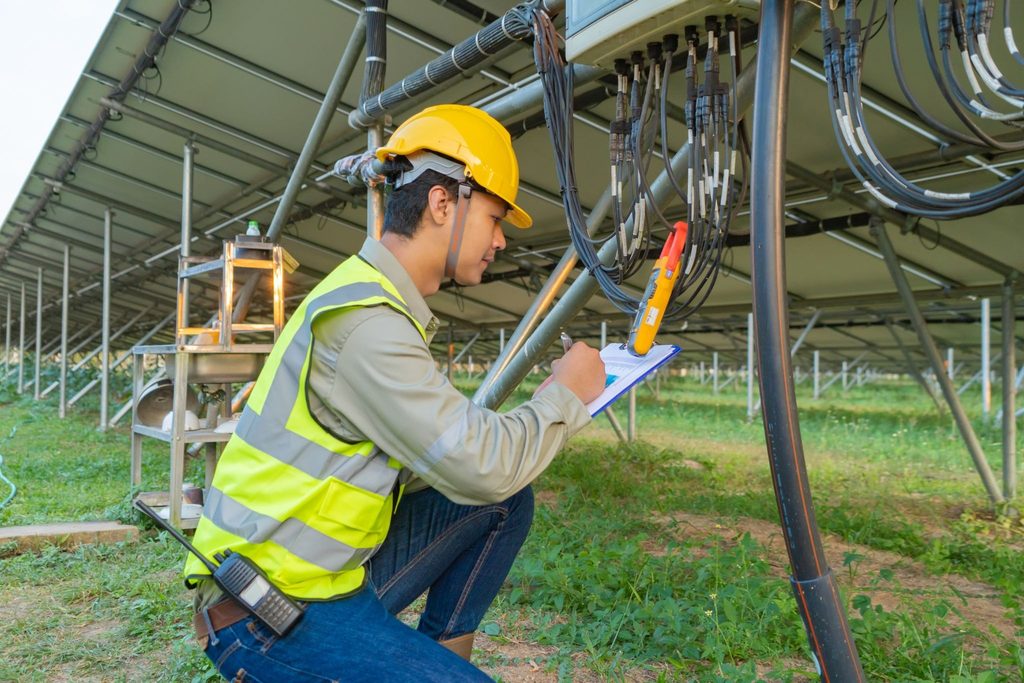
Homeowners can protect their solar investment by reading the full warranty terms rather than relying on the headline number, keeping thorough documentation of their purchase and installation, and choosing a complete system and installer rather than judging the investment on the panel warranty alone.
Read the Warranty Before Buying
Do not rely solely on phrases such as “25-year warranty.” Ask the installer:
- How long is the product warranty?
- How long is the performance warranty?
- What percentage of power output is guaranteed at year 25?
- What happens if a panel fails, and who handles the claim?
- Is the inverter covered separately?
- Is installation workmanship covered?
- What circumstances could void the warranty?
A trustworthy installer should be able to explain these points clearly.
Keep Your Documentation
Keep copies of your quotation, invoice, system design, product serial numbers, warranty documents and installation records. If you ever need to make a warranty claim, having this information readily available can make the process considerably easier.
Choose the Entire System, Not Just the Panel
Solar panels are only one part of a complete PV system. The inverter, mounting structure, cabling, monitoring system and installation quality can all affect long-term performance. A strong warranty is valuable, but it works best when paired with good-quality equipment and professional installation.
You can check out Suria & Sonne’s solar projects to see examples of completed installations.SS: What Is the Difference?
Frequently Asked Questions About Solar Panel Warranties
Conclusion
A 25-year warranty on solar panels can provide valuable peace of mind, but homeowners should look beyond the headline number. The most important question is not simply “is there a 25-year warranty,” but “what exactly is covered for those 25 years.” A good solar investment from Suria & Sonne combines reliable solar panels, a strong long-term performance guarantee, appropriate inverter coverage, quality installation and clear after-sales support.
Before signing on the dotted line, read the warranty, understand the exclusions, and make sure you know who is responsible when something goes wrong. A warranty is only as valuable as the protection it actually provides. Book a consultation with Suria & Sonne to have your warranty options explained in plain terms.
Considering solar for your property?
Talk to our team about your electricity use and your roof, and we will recommend a system that fits.