Introduction
For many Malaysian households, the air conditioner is no longer a luxury. In a hot and humid climate, it can be one of the most frequently used appliances in the home and one of the biggest contributors to electricity consumption.
This raises an increasingly common question among homeowners: can installing solar panels for house use actually reduce the cost of running air conditioners? At Suria & Sonne, this is one of the questions we’re asked most often.
The short answer is yes, with an important distinction. Solar panels do not make an air conditioner itself consume less electricity. Instead, they generate electricity from sunlight that can be used to power the air conditioner and other household appliances, reducing the amount of electricity a home needs to purchase from the grid. This is particularly relevant in Malaysia because the strongest solar-generation hours generally overlap with when many homes are already using electricity for cooling, especially in the afternoon.
TL;DR: Key Takeaways
Solar panels for house use can reduce the cost of running air conditioners, but not by making the air conditioner itself more efficient. Instead, solar electricity generated during the day offsets some of the grid electricity a home would otherwise need to buy, particularly during peak aircond hours.
- Solar doesn’t make an aircond more efficient — it offsets grid electricity used.
- Malaysia’s solar generation hours often overlap with peak aircond usage hours.
- Savings depend on consumption, system size and roof conditions, not a fixed percentage.
- Solar ATAP, live since January 2026, sets current domestic capacity limits.
Why Does Air Conditioning Cost So Much?
Air conditioning drives up electricity bills because it converts electricity into cooling for extended periods, and the longer and harder a unit runs, the more it consumes. According to TNB, electricity consumption depends on an appliance’s power draw and the number of hours it operates, which is why homes with several air conditioners running daily see the effect compound quickly.
What Are the Benefits of Using Solar Panels?
Using solar panels can reduce electricity costs, lower dependence on grid electricity, cut carbon emissions, and make productive use of unused rooftop space. The extent of these benefits depends on a property’s electricity consumption, roof conditions, and the specific solar PV system installed.
Air Conditioning and Solar Generation Can Work Together
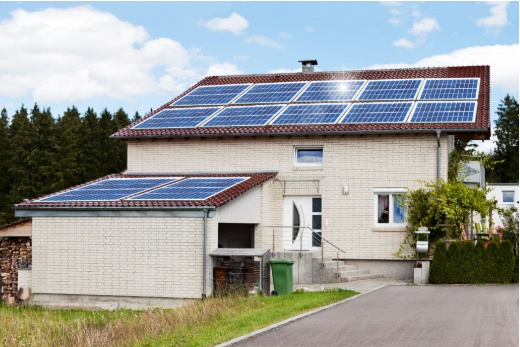
Imagine a home generating solar electricity during the afternoon while the living-room air conditioner, refrigerator, washing machine and water pump are all running at once. Instead of relying entirely on grid electricity, some of that household demand can be supplied directly by the solar PV system. Solar doesn’t make an air conditioner more efficient — it simply reduces how much grid electricity is needed to run it.
How Much Can Homeowners Save With Solar Panels?
There is no single savings figure that applies to every house, since potential savings depend on factors including monthly electricity consumption, number of air conditioners in use, solar system size, roof orientation, and how much solar electricity is consumed directly rather than exported. Claims of a fixed percentage saving for every home should be treated carefully.
A Practical Example
Consider a hypothetical Malaysian home with an electricity bill of approximately RM600 per month, or around RM7,200 per year. The table below illustrates how different offset levels could translate into potential annual savings — these are illustrative calculations only, not guaranteed outcomes.
Table 1: Illustrative annual savings at different solar offset levels, based on a hypothetical RM7,200 annual electricity spend.
| Solar Offset | Illustrative Annual Saving |
| 50% | Around RM3,600 |
| 70% | Around RM5,040 |
| 90% | Around RM6,480 |
Actual savings should be calculated using a home’s real electricity consumption data, proposed PV system size, site conditions, and applicable electricity and Solar ATAP arrangements. A bigger solar system is not automatically better — the goal is a system that makes sense for the household’s actual energy profile.
You can view Suria & Sonne’s project examples of completed residential installations.
What’s a More Useful Way to Think About Solar Savings?
A more useful question than “how much will solar reduce my aircond bill” is how much of a home’s total electricity consumption solar can offset, since solar electricity does not distinguish between appliances once it enters the home’s electrical system. The real savings are whole-home electricity savings, not a discount specific to air conditioning.
Why Is Malaysia Well Suited to Solar Panels for House Use?
Malaysia is well suited to solar panels for house use because its tropical climate provides consistent sunlight throughout the year, and the hours when solar generation peaks tend to overlap with when many homes are already running air conditioning, particularly in the afternoon. This overlap is what makes self-consumption especially relevant for Malaysian households.
For homeowners who work from home, have family members at home during the day, or run several appliances during daylight hours, this overlap can further increase how much solar electricity is consumed directly rather than exported.
Does Installing Solar Panels Mean You Can Stop Saving Energy?
Installing solar panels does not mean a household can ignore energy efficiency entirely, since a highly inefficient air conditioner can still consume substantial electricity even with solar generation available. Solar and energy efficiency work best together, combining reduced unnecessary consumption, more efficient appliances, and self-generated electricity for the strongest overall result.
Choose an Energy-Efficient Air Conditioner
Malaysia’s Suruhanjaya Tenaga (Energy Commission) regulates energy-using products, including air conditioners, through mandatory energy efficiency labelling, and introduced a new star-rating schedule for air conditioners covering 1 January 2026 to 31 December 2029. Homeowners purchasing a new unit should pay attention to the energy efficiency information on the appliance label.
Set a Sensible Temperature
Setting the thermostat extremely low does not necessarily cool a room faster in a way that justifies the additional energy use. A sensible temperature, combined with good insulation, appropriate room sizing and regular maintenance, helps manage cooling demand.
Maintain Your Air Conditioner
Dirty filters and poor maintenance affect how efficiently an air conditioner operates. Solar panels can help offset electricity consumption, but they are not a substitute for maintaining inefficient appliances.
How Do You Choose the Right Solar System for Your Home?
Choosing the right solar system starts with a home’s actual electricity consumption, not the number of panels or an advertised price. Two homes with identical monthly bills can have very different usage patterns, and a home where people are present and using appliances during the day generally has more opportunity for direct solar self-consumption.
Look at Your Electricity Bills
Your recent electricity bills provide valuable information about your home’s energy usage. If your household consistently consumes a high amount of electricity, particularly because of multiple air conditioners, solar may have greater potential to deliver meaningful savings.
Consider Your Daily Lifestyle
A home where most electricity is consumed at night has a different solar profile from one where family members are home during the afternoon running air conditioners and appliances. The second scenario generally has more opportunity for direct solar self-consumption during the day, which is why solar system design should consider when electricity is used, not only how much.
If you’re looking for a professional assessment, contact Suria & Sonne to discuss the requirements of your property.
What Is Solar ATAP and Why Does It Matter for Homeowners?
Solar ATAP, introduced on 1 January 2026 as the continuation of Malaysia’s Net Energy Metering programme, currently sets domestic capacity limits of up to 5 kW for single-phase homes and up to 15 kW for three-phase homes, according to SEDA Malaysia, with larger installations potentially requiring additional technical assessment.
A three-phase home with several air conditioners may have a very different solar requirement from a smaller single-phase home, which is why the system should be designed around the property’s actual electrical profile and the applicable Solar ATAP requirements.
Is Solar Worth It If Your Aircond Usage Is High?
High air-conditioning usage can actually strengthen the case for solar, since that electricity expenditure is recurring every month regardless of what a household does, while a solar PV system is a one-time investment in generating some of that electricity directly. The real comparison is the cost of the system against what it can realistically offset over its useful life.
A professional installer can assess historical electricity consumption, roof space and orientation, shading, existing electrical supply, proposed solar capacity, expected generation, estimated bill savings, applicable programme requirements, and estimated return on investment — a more reliable basis for a decision than a generic online estimate.
Can Solar Panels Really Reduce Aircond Cost?
Solar panels can meaningfully reduce the electricity cost of running air conditioners, but they do this by reducing how much electricity a home buys from the grid, not by making the air conditioner itself consume less power. For homes with high, consistent electricity use, particularly from several air conditioners, solar can be a genuinely compelling option worth a proper assessment.
A properly designed system should be based on a home’s actual electricity consumption rather than an attractive percentage printed in an advertisement, and the biggest savings usually come from combining solar generation with efficient energy use rather than solar alone.
Frequently Asked Questions About Solar Panels
Conclusion
Installing solar panels for house use can be a smart way for Malaysian homeowners to manage the rising cost of running air conditioners, particularly in homes with high and consistent electricity consumption. Solar panels do not make an air conditioner use less electricity, but they can generate clean energy to offset part of a home’s grid electricity consumption, potentially saving thousands of ringgit over time.
The key is choosing a properly sized system based on electricity usage, roof conditions, lifestyle and applicable Solar ATAP requirements, combined with energy-efficient appliances and sensible cooling habits. If you are considering solar for your home, book a consultation with Suria & Sonne for a professional assessment.
Considering solar for your property?
Talk to our team about your electricity use and your roof, and we will recommend a system that fits.