Introduction
For Malaysian homeowners looking to reduce their monthly electricity bills, solar panels have become an increasingly attractive investment. But one question usually comes before everything else: how much does a solar panel system cost in Malaysia in 2026? At Suria & Sonne, the answer always starts the same way — it depends on system size, electricity consumption, roof structure, equipment and installation requirements.
More importantly, homeowners should not look at the solar panel Malaysia price alone. The better question is: how much can the system save over its lifetime?
TL;DR: Key Takeaways
A solar panel Malaysia price in 2026 typically ranges from around RM12,000 for a small system to RM40,000 or more for a larger landed-home installation, depending on capacity and specifications. The new SuRIA Home rebate can reduce the effective upfront cost by up to RM3,000 for eligible homeowners.
- Prices scale with system size, from around RM12,000 for a small 3 kWp setup.
- Panel and inverter quality, roof complexity, and battery storage all affect the final price.
- The SuRIA Home rebate can cut up to RM3,000 off the upfront cost.
- Payback typically takes five to seven years for a well-designed residential system.
How Much Do Solar Panels Cost in Malaysia in 2026?
A residential solar system is more than the panels visible on the roof — a complete installation normally includes solar PV panels, an inverter, mounting structures, electrical cabling, protection equipment, installation, testing and the relevant grid-connection process. Costs generally range from around RM12,000 for a small 3 kWp system to RM50,000 or more for larger installations.
Table 1: Estimated solar panel price by system size, based on indicative 2025–2026 market ranges.
| System Size | Estimated Installed Cost |
| 3 kWp | RM12,000 – RM15,000 |
| 5 kWp | RM15,000 – RM22,000 |
| 8 kWp | RM24,000 – RM32,000 |
| 10 kWp | RM30,000 – RM40,000 |
| 12–15 kWp | RM36,000 – RM50,000+ |
These figures are indicative market ranges rather than fixed prices. A homeowner with a relatively modest electricity bill may only need a 3–5 kWp system, while a larger home with several air-conditioning units, water heaters, EV charging or high daytime consumption may benefit from a larger system. The key is right-sizing the system rather than buying the biggest one available.
You can view Suria & Sonne’s completed solar projects for examples of different solar PV applications.
What Determines Solar Panel Malaysia Price?
Several factors influence the final quotation homeowners receive, including system size, panel and inverter quality, roof type and installation complexity, and whether battery storage is added. A 5 kWp system will naturally cost less than a 10 kWp system, though bigger is not always the better financial choice.
Solar System Size
System capacity is one of the biggest factors affecting price, since a larger system requires more panels and a bigger inverter. Installing more solar capacity than a home can effectively use may not provide the best financial return.
Solar Panel and Inverter Quality
Different brands and technologies come at different prices. Homeowners should compare not only the brand but also panel efficiency, product warranty, performance warranty and inverter warranty — the inverter matters particularly because it converts the electricity generated by the panels into usable electricity for the home.
Roof Type and Installation Complexity
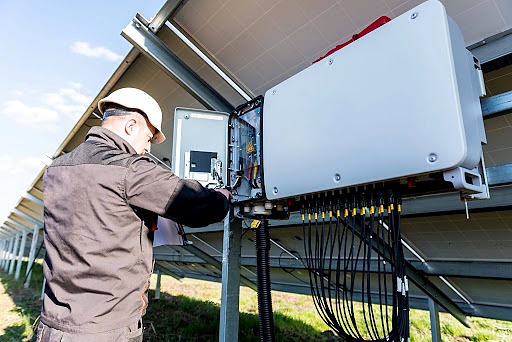
A straightforward pitched tile roof is generally easier to install on than a roof with multiple sections, limited access or structural considerations. Shading from trees, neighbouring buildings and roof structures can also affect solar generation and influence the final system design.
Optional Battery Storage
Battery storage is not essential for every Malaysian home. Homeowners who want to store solar energy for use at night, or who have specific backup-power requirements, may consider adding a battery — this can significantly increase the initial investment, so it should be assessed based on actual household usage rather than added automatically.
You can learn more about Suria & Sonne’s solar solutions and the company’s approach to solar PV installation.
How Much Can Homeowners Save With Solar Panels?
A solar system is not simply an expense — it is an investment designed to reduce how much electricity a household needs to purchase from the grid. The amount a homeowner saves depends on electricity consumption, system size, solar generation, roof conditions, and how much of the generated electricity is used directly.
Example: A Home With a RM600 Monthly Electricity Bill
Table 2: Illustrative savings over time for a home reducing its electricity purchase by RM400 per month.
| Period | Illustrative Saving |
| Monthly | RM400 |
| Annual | RM4,800 |
| Over 5 years | RM24,000 |
| Over 10 years | RM48,000 |
The actual savings will vary, and homeowners should be cautious about claims that every household will achieve a fixed percentage reduction. Solar performance depends heavily on system design and household behaviour — a home that uses substantial electricity during daylight hours may make particularly effective use of the energy it generates.
How Does Solar ATAP Affect Solar Costs in 2026?
Solar ATAP, implemented on 1 January 2026 following the conclusion of the NEM programme, allows eligible consumers to install solar PV for self-consumption while exporting surplus electricity to the grid under the programme’s mechanism. Current domestic capacity limits are up to 5 kW for single-phase homes and 15 kW for three-phase homes, according to SEDA Malaysia, with additional technical assessment required above those thresholds.
The SuRIA Home Rebate
The government introduced SuRIA Home, a one-time cash rebate of RM600 per kWac, up to RM3,000, for eligible domestic Solar ATAP customers who have not received a prior rebate under the previous SolaRIS programme. It runs on a first-come, first-served basis from 1 June 2026 until 31 December 2026, or until the allocation is fully distributed, so a qualifying homeowner installing an eligible system could reduce the effective upfront cost by up to RM3,000.
How Long Does It Take to Recover the Solar Investment?
The payback period varies from home to home, though industry estimates commonly place it at roughly five to seven years for a typical Malaysian residential system, with well-designed systems on higher-consumption homes sometimes recovering their cost sooner. After payback, the system continues generating electricity and reducing grid purchases for years afterward.
For example, a homeowner investing RM25,000 in a system while saving an average of RM400 per month would see a simple payback of approximately 5.2 years — which is why homeowners should evaluate solar based on lifetime value rather than whether the upfront price seems expensive on its own.
Frequently Asked Questions About Solar Panel Malaysia Price
Conclusion
The solar panel Malaysia price in 2026 can range from around RM12,000 for smaller residential systems to RM40,000 or more for larger installations, but price alone should never be the deciding factor. The more important calculation is the relationship between system cost, electricity consumption, expected savings, payback period and long-term performance.
With Solar ATAP now in place and the SuRIA Home rebate available for eligible homeowners, 2026 presents a genuinely interesting window for Malaysians considering rooftop solar. The best solar system is not necessarily the cheapest or the biggest — it’s the one properly designed for your home, your roof and your electricity usage. If you are considering solar for your home, book a consultation with Suria & Sonne for a professional assessment.
Considering solar for your property?
Talk to our team about your electricity use and your roof, and we will recommend a system that fits.