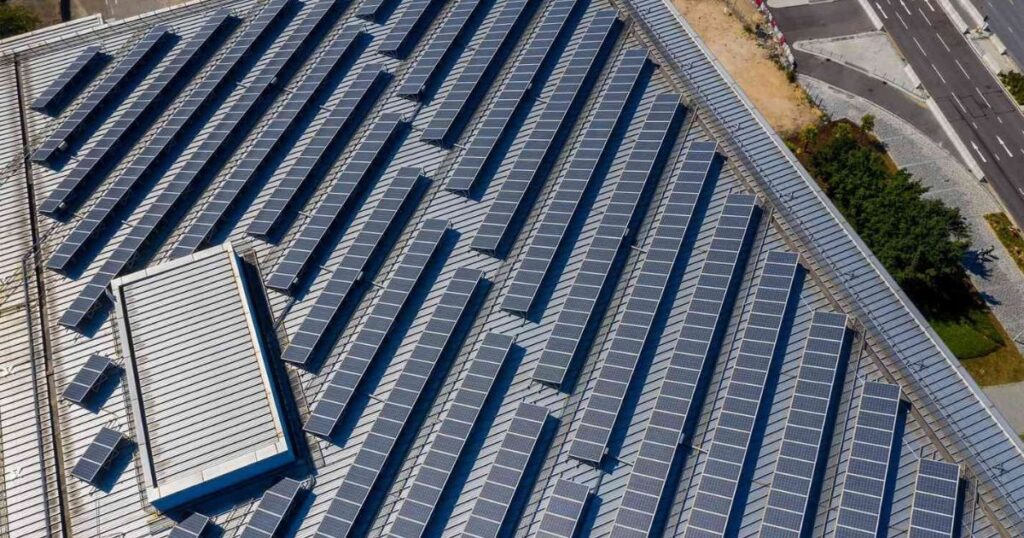
Introduction
For many Malaysian homeowners, the idea of installing solar panels comes with one obvious question: what happens when it rains? Malaysia is known for its tropical climate, frequent thunderstorms, cloudy afternoons and monsoon seasons — if solar panels depend on sunlight, surely several days of grey skies must mean little or no electricity generation? At Suria & Sonne, this is one of the first questions almost every prospective customer asks.
The short answer is yes, solar panels still work on cloudy days in Malaysia. They may not generate electricity at the same level as under bright, clear skies, but cloudy weather does not switch a solar system off. Photovoltaic panels can generate electricity from both direct and diffused sunlight, meaning there is still usable solar energy reaching the panels even when clouds cover the sun.
For homeowners considering solar, the more important question is not whether their panels will perform perfectly every single day. It is whether the system can generate enough electricity throughout the year to make a meaningful difference to household energy costs.
TL;DR: Key Takeaways
Solar panels still generate electricity on cloudy days in Malaysia, since photovoltaic cells respond to light rather than heat, and can use diffused sunlight scattered by clouds. Generation drops as cloud cover thickens, but a properly designed system is built to handle Malaysia’s real-world weather across the whole year.
- Panels need light, not heat — they keep working under diffused, cloudy light.
- Heavy rain reduces output but does not stop generation entirely.
- Solar should be judged on annual performance, not a single cloudy afternoon.
- Panels stop producing only after dark, when a battery or the grid takes over.
How Do Solar Panels Work on Cloudy Days?
Solar panels continue working during cloudy weather because they need light, not heat, to generate electricity. Clouds reduce the amount of direct sunlight reaching the panels, scattering some of it into diffused sunlight, but they do not necessarily block all light panels and can still make use of that diffused light to produce electricity.
Direct Sunlight vs Diffused Sunlight
On a sunny day, solar panels receive strong direct sunlight. When clouds move across the sky, some of that sunlight is scattered by the clouds and atmosphere, creating diffused sunlight that panels can still use. Naturally, the amount of electricity produced will usually fall as cloud cover becomes thicker — light or broken clouds may have a relatively modest impact, while dense storm clouds can cause a much larger reduction in output. There is no single percentage that applies to every cloudy day, since performance depends on cloud thickness, time of day, shading, panel orientation and other site-specific factors.
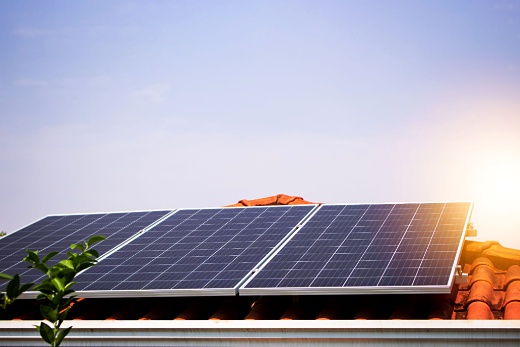
You can explore Suria & Sonne’s Solar Building solutions to understand how solar PV can be applied to domestic properties.
What Happens to Solar Panels During Heavy Rain?
Solar panels can continue producing electricity during heavy rain, provided there is sufficient daylight. However, heavy rain is normally accompanied by dense cloud cover, which reduces the amount of solar irradiance reaching the panels, so electricity generation can drop significantly during particularly dark storms even though the system itself keeps working.
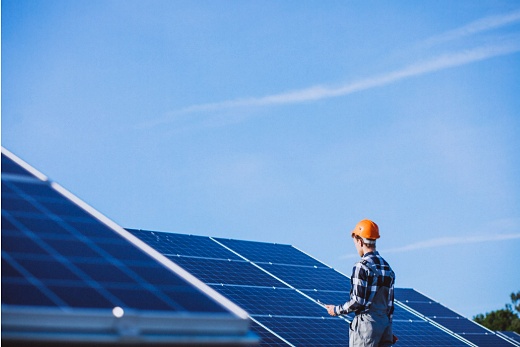
Rain can also have a useful side effect: rainwater can wash away dust and surface dirt that has accumulated on the panels, and a cleaner panel surface allows more light to reach the solar cells once the weather clears. Homeowners should never attempt to clean or inspect rooftop solar panels during a storm, however, since wet roofs and electrical equipment can create unnecessary safety risks.
You can learn more about Suria & Sonne’s solar solutions and the company’s approach to solar PV installation.
Does Malaysia’s Weather Make Solar Panels Less Worthwhile?
Malaysia’s weather does not make solar panels less worthwhile, since a common mistake is judging solar performance based on one cloudy day rather than assessing systems according to their long-term electricity generation. Malaysia receives sunlight throughout the year because of its location near the equator, without the long, dark winters associated with higher-latitude countries.
A field study comparing different solar panel technologies under Malaysian conditions found that mono-crystalline and multi-crystalline panels tend to perform best under strong direct sun, while other technologies, such as amorphous silicon and CIS panels, can perform relatively better under cloudy, diffused-light conditions — a reminder that Malaysia’s occasional cloudy and rainy periods are part of the operating conditions a properly designed solar system is expected to handle.
How Much Can Homeowners Save With Solar Panels?
The amount a homeowner can save depends on several factors, including electricity consumption, solar system size, roof orientation, shading, daytime energy usage and the applicable electricity tariff and solar programme. As a general illustration, a properly sized solar system may reduce the electricity portion of a household’s monthly bill by around 30% to 70%.
For example, imagine a household spending RM800 a month on electricity. If solar reduces the relevant electricity costs by 50%, that could represent approximately RM400 in monthly savings, or roughly RM4,800 a year — savings that can become substantial over several years, though homeowners should avoid assuming every installation will produce identical results.
Why Daytime Electricity Usage Matters
Solar panels generally generate the most electricity during daylight hours, so households that use significant amounts of electricity during the day, through air conditioning, refrigerators, water pumps or home offices, can potentially make better use of the energy generated directly by their panels. This is also why solar savings should not be calculated simply by looking at the number of panels installed — the right system is one that matches the home’s electricity consumption and physical characteristics.
⚠ One homeowner with electricity bills averaging RM900 to RM1,100 per month reported that his bills fell to approximately RM650–RM700 after installing a 27-panel solar system — this specific example needs account-team confirmation before publish; see the flag at the top of this document.
You can view Suria & Sonne’s completed projects for examples of installations across different property types.
What Happens at Night?
Solar panels cannot generate electricity without light, so once the sun goes down, panels stop producing electricity entirely. The household then draws electricity from the grid, or from a battery storage system if one has been installed, since solar is not designed to make a home completely independent of the electricity grid.
Under Malaysia’s current solar arrangements, the treatment of excess solar electricity depends on the applicable programme and rules, so homeowners should check current requirements and financial implications directly when planning an installation.
Frequently Asked Questions About Solar Panels on Cloudy Days
Conclusion
So, do solar panels still work on cloudy days in Malaysia? Yes. Clouds and rain can reduce solar electricity generation, but they do not make solar panels useless — photovoltaic technology continues converting diffused daylight into electricity even when the sky is grey.
For Malaysian homeowners, the real value of solar should be measured over months and years, not by what happens during one rainy afternoon. Malaysia’s tropical weather may bring plenty of rain, but it also brings plenty of daylight, which makes solar power a practical option for turning a rooftop into a source of cleaner, locally generated electricity. If you’re considering solar for your home, book a consultation with Suria & Sonne.
Considering solar for your property?
Talk to our team about your electricity use and your roof, and we will recommend a system that fits.