Introduction
When homeowners start researching solar panel Malaysia price, it is natural to look for the lowest quotation. After all, if one installer offers a solar system for RM15,000 while another quotes RM20,000, the cheaper option can appear to be the obvious winner. At Suria & Sonne, one of the most important things we help homeowners understand is why that instinct can be misleading.
A solar PV system is a long-term investment involving panels, inverters, mounting structures, electrical work, monitoring, approvals, workmanship and after-sales support — not simply a product you buy off the shelf. A lower upfront price may sometimes represent genuine value, but it can also mean compromises that become expensive later. With Malaysia’s solar landscape continuing to evolve, including the introduction of Solar ATAP from 2026, homeowners should look beyond the headline price when comparing quotations, since the programme allows domestic consumers to use electricity generated by their PV systems and receive bill credits for eligible excess energy exported to the grid.
So, what should homeowners actually look for?
TL;DR: Key Takeaways
The cheapest solar panel Malaysia price on a quotation isn’t always the cheapest system over its lifetime. Lower-spec components, a shorter workmanship warranty, excluded costs or a smaller-than-needed system can all make a cheap quote more expensive in the long run than it first appears.
- Two quotations for the same system size can include very different scopes of work.
- Cheaper components and poor installation can both cost more than they save.
- A smaller system may look cheaper but fail to offset enough electricity.
- Compare capacity, equipment, warranty, support and expected savings, not price alone.
The Cheapest Solar Quote Is Not Always the Cheapest Investment
The cheapest solar quote is not always the cheapest investment, since a lower headline price can hide lower-spec components, a shorter workmanship warranty, excluded installation costs or limited after-sales support. A RM15,000 system that underperforms or fails prematurely may end up costing more over its lifetime than a properly specified RM18,000 or RM21,000 alternative.
Imagine receiving three quotations: Installer A at RM15,000, Installer B at RM18,000, and Installer C at RM21,000. At first glance, Installer A looks like the best deal — but what if Installer A uses lower-spec components, provides a shorter workmanship warranty, excludes certain installation costs, or offers limited after-sales support? This is why homeowners should compare what they are getting for the price, rather than comparing the price alone.
What Should a Proper Solar Quotation Include?
A proper solar quotation should make it clear exactly what is included — solar PV panels, inverter, mounting structure, cabling and protection equipment, installation and labour, monitoring system, necessary documentation and applications, commissioning, warranty coverage and after-sales service — since two quotations for the same system capacity can represent very different levels of value depending on what each one actually covers.
The question should not simply be, “How much does solar cost?” It should be, “What exactly am I paying for?”
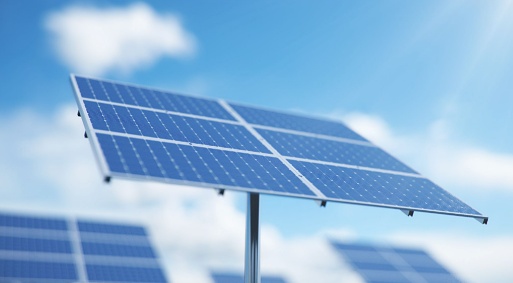
You can view Suria & Sonne’s completed solar projects for examples of different solar PV applications.
Where Can a Cheap Solar System Become Expensive?
A cheap solar system can become expensive in several ways: cheaper components can affect long-term performance, poor installation can cost more than good equipment ever would, and a smaller system chosen purely to look cheaper on paper may not deliver the electricity savings a household actually needs.
1. Cheaper Components Can Affect Long-Term Performance
Solar panels spend decades exposed to Malaysia’s heat, humidity, rain and intense sunlight, and the cheapest panel available may not provide the same performance, degradation rate or warranty protection as a reputable product. The inverter deserves particular attention, since it converts the electricity generated by the panels into usable electricity for the home — a low-quality inverter can create real headaches if reliability becomes an issue later. A slightly higher initial investment in established components can provide greater peace of mind over the system’s operating life.
2. Poor Installation Can Cost More Than Good Equipment
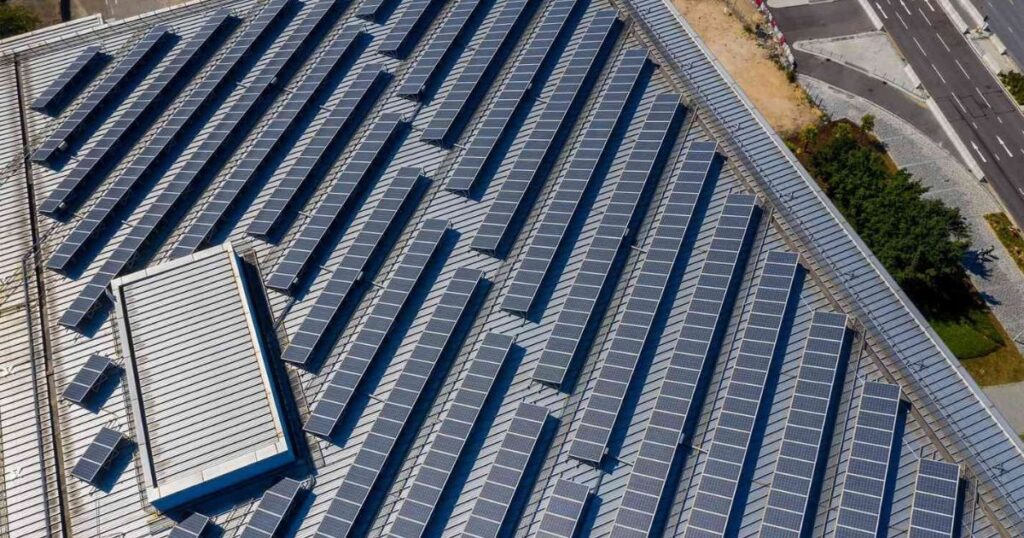
Even excellent solar panels can perform poorly if the installation is not done properly, since roof penetrations, mounting structures, cable management, waterproofing and electrical connections all require careful attention — particularly important given a solar system is physically attached to the roof of the home. A quotation that is suspiciously low may leave little room for the workmanship, safety checks and attention to detail a quality installation requires, so the cheapest installation is not necessarily a bargain if problems appear a few years later.
3. A Smaller System May Not Deliver the Savings You Expect
One common way to make a quotation look cheaper is simply to install a smaller solar system — for example, quoting a 4 kWp system with a lower upfront cost instead of the larger system the household’s electricity consumption actually calls for. The smaller system may technically work, but it may not offset enough electricity to deliver the savings a homeowner expects. This is particularly important under Solar ATAP, where the economics depend on how much solar energy is consumed and how eligible excess generation is credited.

You can explore Suria & Sonne’s Solar Building solutions to understand how solar PV can be applied to domestic properties.
How Much Can Homeowners Save With Solar Panels?
The answer depends heavily on the household, since there is no universal “RM500 saving every month” figure — savings depend on factors such as electricity consumption, solar system size, daytime usage, roof orientation, shading and applicable electricity rates.
For example, consider a homeowner whose electricity bill averages RM600 per month, or approximately RM7,200 per year. If a suitably designed solar system reduces the household’s electricity costs by 60%, the indicative saving would be around RM4,320 per year; at an 80% reduction, the saving would be approximately RM5,760 per year. These figures are illustrative rather than guaranteed, and actual savings will vary from home to home.
The current electricity framework also matters. According to Suruhanjaya Tenaga, Malaysia’s electricity pricing includes the base tariff and the Automatic Fuel Adjustment (AFA), a monthly mechanism that reflects changes in fuel costs and foreign exchange rates, meaning electricity costs can shift according to the applicable tariff mechanisms. This is why a reputable solar installer should calculate expected savings based on the homeowner’s actual electricity consumption rather than promising a generic figure.
You can learn more about Suria & Sonne’s solar solutions and the company’s approach to solar PV installation.
What Is Your Actual Return on Investment?
Suppose a solar installation costs RM20,000 and produces an average annual saving of RM5,000. A simple payback calculation would be RM20,000 ÷ RM5,000 = 4 years. That does not mean every homeowner will achieve a four-year payback — financing costs, system performance, electricity consumption and tariff structures can all affect the actual outcome.
The important point is that a higher-priced system can potentially provide better value if it produces greater savings, lasts longer and comes with stronger support.
How Do You Compare Solar Panel Malaysia Price Properly?
Homeowners should compare solar panel Malaysia price properly by looking at more than the number at the bottom of the quotation — system capacity, equipment specifications, warranty coverage, after-sales support and expected savings all determine whether a quote genuinely represents good value, not the headline price alone.
Compare System Capacity
Check the proposed kWp capacity. A RM15,000 quotation for one system size cannot be fairly compared with an RM18,000 quotation for a substantially larger system.
Compare the Equipment
Look at the panel manufacturer, inverter brand and specifications. Don’t assume two panels are identical simply because both are marketed as “high efficiency.”
Compare Warranty Coverage
Check both product and workmanship warranties. Ask how long the panel and inverter warranties run, what happens if a component fails, who handles the warranty claim, and whether labour is included.
Compare After-Sales Support
Solar is a long-term investment, so the relationship with the installer shouldn’t end immediately after commissioning. Ask whether the company provides system monitoring, maintenance, troubleshooting and technical support.
Compare the Expected Savings
Compare the projected annual energy generation and electricity savings. A quotation that costs RM2,000 more but generates significantly more useful electricity could ultimately deliver better financial value.
If you’re looking for a professional assessment, contact Suria & Sonne to discuss the requirements of your property.
How Do You Spot a Quote That’s Too Good to Be True?
An unusually cheap solar quotation deserves closer examination, though a low price does not automatically mean the installer is unreliable, since there may be legitimate reasons such as a promotion, financing arrangement or different equipment selection. What matters is understanding exactly what has been excluded before assuming the lowest number represents the best deal.
Homeowners should ask: does the price include installation? Are all electrical components included? Is monitoring included? What about approvals and commissioning? Is there a workmanship warranty? What happens if the inverter fails? The goal is not to find the most expensive installer — it is to find the best value for the investment.
You can view Suria & Sonne’s solar projects to see examples of completed installations.
Frequently Asked Questions About Solar Panel Malaysia Price
Conclusion
When comparing solar panel Malaysia price, it is tempting to choose the quotation with the smallest number at the bottom of the page. But solar is a long-term investment, not a one-time purchase — a cheaper system can become more expensive if it delivers lower savings, uses unsuitable components, requires costly repairs or comes with inadequate after-sales support.
The smarter approach is to compare the whole package: system design, equipment, workmanship, warranties, expected savings and long-term service. Ultimately, the best solar quote is not necessarily the cheapest one — it is the one that gives you the best value for every ringgit invested, today and throughout the life of your solar system. For homeowners considering solar in 2026, it’s also worth understanding the current Solar ATAP framework and available incentives; SuRIA Home, for example, provides eligible Malaysian domestic Solar ATAP customers with a one-time rebate of RM600/kWac, capped at RM3,000, subject to the programme’s terms and allocation.
If you are considering solar for your home, commercial building or industrial property, book a consultation with Suria & Sonne for a professional assessment.
Considering solar for your property?
Talk to our team about your electricity use and your roof, and we will recommend a system that fits.