Introduction
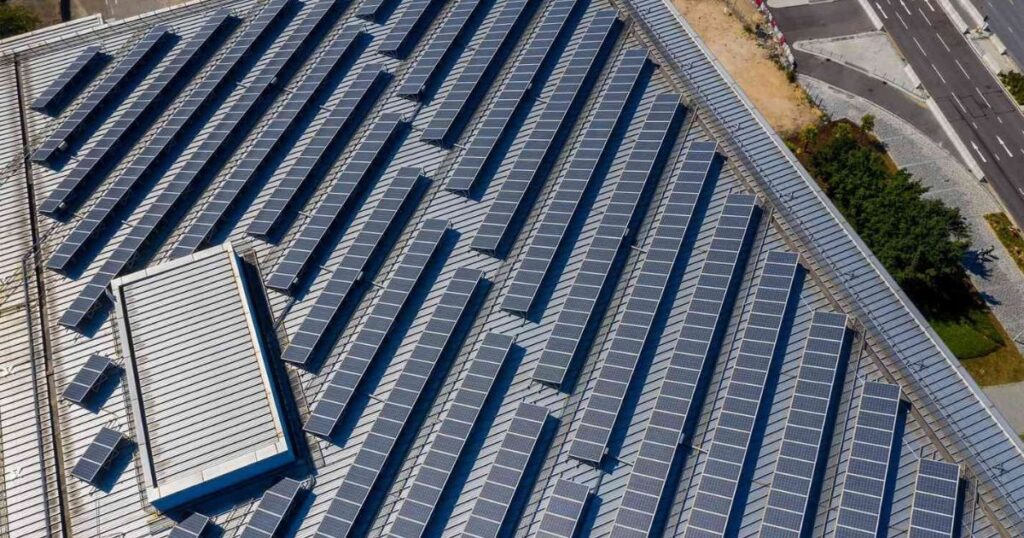
For years, homeowners in Malaysia who wanted to reduce their electricity bills through rooftop solar panel Malaysia installations were familiar with one name: Net Energy Metering, or NEM. At Suria & Sonne, this is one of the most common questions we field now that the landscape has changed.
Under NEM, homeowners could generate electricity from their solar panels, use the energy in their homes and export excess electricity to the grid, with the exported energy credited against electricity consumed from the grid to help reduce monthly bills. The NEM programme concluded at the end of June 2025, and from 1 January 2026, the government introduced the Solar Accelerated Transition Action Programme (Solar ATAP) as its successor. While Solar ATAP retains the basic idea of using rooftop solar to reduce dependence on grid electricity, its rules around system capacity, excess electricity and bill offsets are different.
TL;DR: Key Takeaways
Solar ATAP replaced NEM as Malaysia’s rooftop solar programme from 1 January 2026, keeping the core idea of exporting surplus solar electricity for a bill offset, but changing several important rules. The biggest change: unused exported energy no longer rolls over to the next billing period.
- NEM ended for new applicants at the end of June 2025.
- Exported energy now offsets consumption within the same billing period only.
- Domestic capacity limits: 5 kW single-phase, 15 kW three-phase.
- Daytime self-consumption now matters more than under the old NEM rules.
What Is Solar ATAP?
Solar ATAP is a government programme designed to encourage greater adoption of rooftop solar photovoltaic systems in Malaysia, continuing several of the core principles of NEM, including allowing excess solar energy to be exported to the grid and used as an energy offset, while introducing adjustments to how that mechanism actually works.
The programme is implemented by SEDA Malaysia, under the regulatory framework of the Energy Commission and the Ministry of Energy Transition and Water Transformation (PETRA). In simple terms, the concept remains familiar: solar panels generate electricity, the home uses the solar power first, excess electricity can be exported to the grid, and eligible exported energy can offset electricity consumed from the grid.
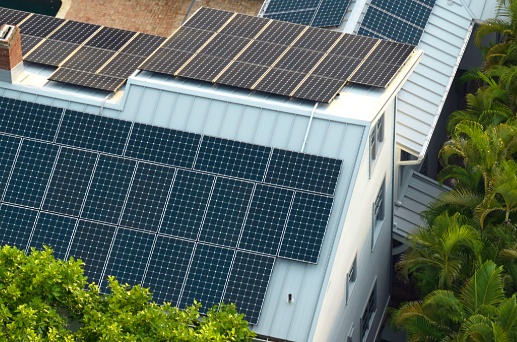
You can explore Suria & Sonne’s Solar Building solutions to understand how solar PV can be applied to domestic properties.
NEM vs Solar ATAP: What Has Changed?
Semi-D Homes: More Roof Space, More Solar Potentia1. The NEM Programme Has Ended for New Applicants
Homeowners can no longer apply for the previous NEM programme as a new participant. Existing NEM participants remain governed by the terms of their existing arrangements — the Energy Commission published revised NEM Rakyat guidelines in August 2026, confirming the previous programme continues to have relevance for existing participants. For a homeowner installing a new system today, however, Solar ATAP is the programme to understand.
2. Solar ATAP Still Allows Excess Electricity to Be Exported
This is one of the biggest similarities between NEM and Solar ATAP. Solar ATAP allows surplus solar PV energy to be exported to the electricity grid, and for domestic consumers, the exported energy can be used to offset electricity imported from the utility during the same billing period — meaning homeowners do not necessarily need to consume every unit of solar electricity at the exact moment it is generated.
3. Unused Exported Energy Does Not Roll Over
This is a crucial difference homeowners need to understand. Under Solar ATAP, exported energy can be used to offset electricity imported during the same billing period, but any exported energy that remains unused at the end of that period does not carry forward and is forfeited. This makes self-consumption particularly important — a home with heavy daytime electricity usage, such as one with someone working from home or frequent air-conditioning use, may be particularly well positioned to make effective use of solar generation.
4. Domestic Solar Capacity Limits Have Changed
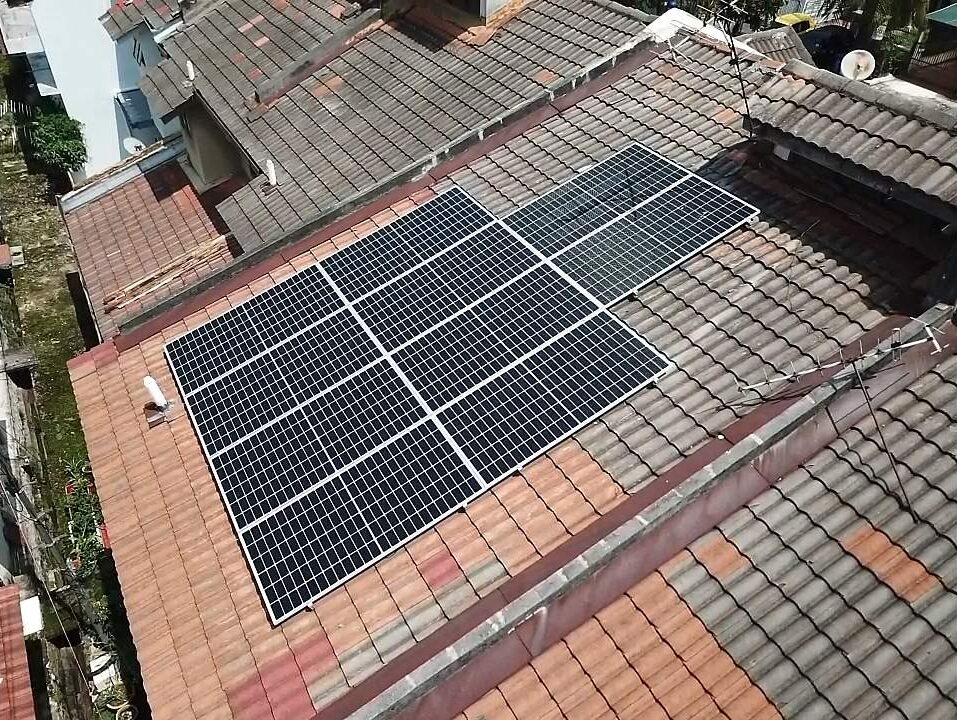
For homes with a single-phase electricity supply, the stated limit is up to 5 kW; for three-phase domestic supplies, the limit is up to 15 kW, subject to the applicable requirements. A three-phase home may have greater flexibility to install a larger solar PV system than a single-phase property, making it potentially more suitable for households with substantial electricity demand. Technical assessment requirements may also apply: SEDA states that a Connection Confirmation Check is required for domestic systems above these thresholds.
You can learn more about Suria & Sonne’s solar solutions and the company’s approach to solar PV installation.
How Much Can Homeowners Save With Solar Panels?
There is no universal figure, since savings depend on electricity consumption, solar system size, roof orientation, shading, household usage patterns and the amount of solar energy consumed directly. As a practical illustration, consider a household with a monthly electricity bill of RM600: if a properly sized system reduces grid electricity requirement by around 50%, the household could potentially save approximately RM300 per month, or around RM3,600 per year; at a 70% reduction, the saving could be around RM420 per month, or roughly RM5,040 per year.
These are illustrative examples rather than guaranteed savings, and actual results will vary according to the home’s electricity consumption, system performance and applicable electricity charges. The key lesson is that solar savings are not simply about how much electricity your panels produce — they are about how much of that electricity your household can effectively use or offset.
You can view Suria & Sonne’s solar projects to see examples of completed installations.
You can learn more about Suria & Sonne’s solar solutions and the company’s approach to solar PV installation.
Why Does Daytime Electricity Usage Matter More Under Solar ATAP?
Daytime electricity usage matters more under Solar ATAP because unused exported energy cannot simply accumulate indefinitely for future billing periods, so homeowners who use more electricity during the day can potentially maximise their solar investment through direct consumption rather than relying on carried-forward credit.
Running selected appliances during daylight hours, such as washing machines, dishwashers or water pumps, can increase the amount of solar electricity consumed directly by the household. In other words, the smartest solar strategy is not necessarily “generate as much as possible” — it’s “generate the right amount and use as much of it as possible.”
Does Solar ATAP Make Solar Less Attractive?
Solar ATAP does not necessarily make solar less attractive, since it remains a long-term investment for homeowners looking to reduce reliance on grid electricity, and the programme continues to provide a mechanism for surplus electricity to be exported and offset against consumption. However, the economics now place greater emphasis on system sizing and household consumption patterns than before.
A professional solar assessment should therefore look at more than the size of your roof — it should consider historical electricity bills, daily consumption patterns, available roof area, shading, electrical supply and the size of system that makes financial sense for your home. For homeowners considering a solar panel Malaysia installation, these calculations can make the difference between simply owning solar panels and actually getting strong value from them.
Frequently Asked Questions About Solar ATAP
Conclusion
The transition from NEM to Solar ATAP represents a new chapter for rooftop solar in Malaysia. While the fundamental idea remains the same — generate clean electricity from your roof and reduce your dependence on grid power — the rules governing excess electricity, system capacity and billing offsets have changed.
For homeowners, the message is clear: solar is no longer simply about putting as many panels as possible on the roof, but about designing a system around how your household actually uses electricity. If you’re considering a solar panel Malaysia installation, book a consultation with Suria & Sonne to find out how much your own home could save.
Considering solar for your property?
Talk to our team about your electricity use and your roof, and we will recommend a system that fits.