Introduction
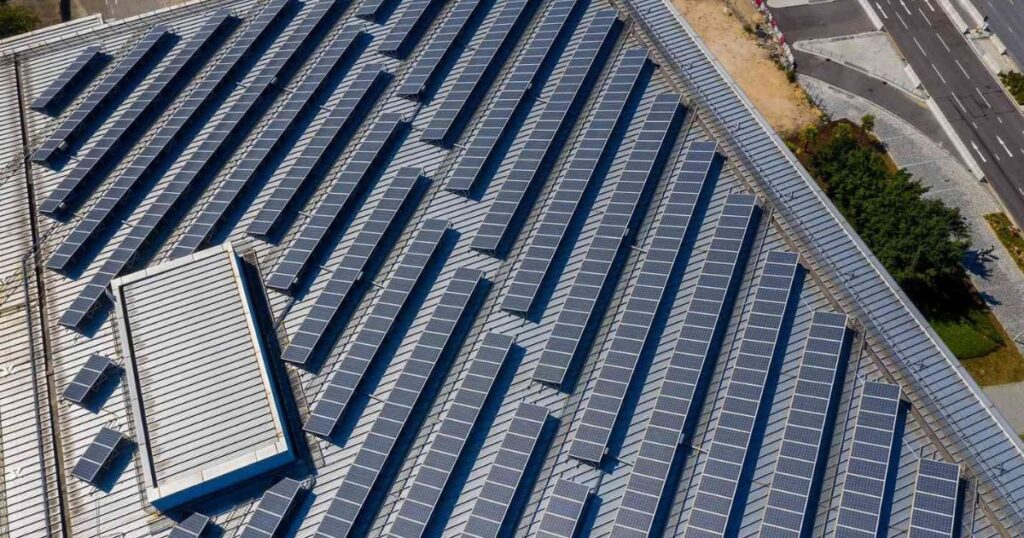
For businesses considering commercial solar services, the roof is more than just an empty space where solar panels can be installed. It is part of the building’s structural system, and before a photovoltaic (PV) array is added, its ability to safely support the proposed installation needs to be properly understood. At Suria & Sonne, a structural audit is one of the first things we recommend before any commercial system is designed.
A commercial roof structural audit is therefore an important step before investing in solar. It helps determine whether the existing roof can accommodate the additional loads, how the PV system should be installed, and whether repairs or structural reinforcement may be necessary. This is particularly relevant in Malaysia, where commercial and industrial buildings represent a significant opportunity for rooftop solar, and a thorough structural assessment can help turn that unused rooftop space into a productive energy asset, safely and sensibly.
TL;DR: Key Takeaways
Before commercial solar services begin, the roof itself needs a structural audit to confirm it can safely carry the added weight and forces of a PV system. A proper audit reviews drawings, inspects the roof physically, calculates loads, and checks wind, waterproofing and drainage.
- A roof adequate when built may have a different capacity years later.
- The audit should cover drawings, inspection, existing loads and proposed loads.
- Wind uplift matters in Malaysia even without snow loading to consider.
- Reinforcement, if needed, should be identified before installation begins.
Why Is a Commercial Roof Structural Audit Important?
A commercial roof structural audit is important because installing solar panels adds new loads to an existing building, including the weight of PV modules, mounting structures, cables and equipment, plus environmental and structural forces acting on the roof. In older commercial buildings especially, original drawings may no longer accurately represent the structure’s current condition.
A structural audit can identify problems before installation begins, rather than after panels have already been mounted.
You can view Suria & Sonne’s completed solar projects for examples of different solar PV applications.
What Should a Commercial Roof Structural Audit Cover?
A commercial roof structural audit should cover far more than simply asking whether the roof is strong enough, providing a clear picture of the building’s existing condition, structural capacity and suitability for the proposed solar system across several distinct areas of assessment.
Table 1: The main components of a commercial roof structural audit.
| Audit Component | What It Establishes |
| Existing drawings review | Original design and location of main structural members |
| Physical roof inspection | Actual current condition versus what documentation shows |
| Existing loads assessment | How much roof capacity is already in use |
| Proposed solar loads | Weight and force transfer from the new PV system |
| Wind and environmental loads | Uplift and other forces the mounting must resist |
| Waterproofing and drainage | Whether the design risks leaks or water accumulation |
What Should a Review of Existing Structural Drawings Include?
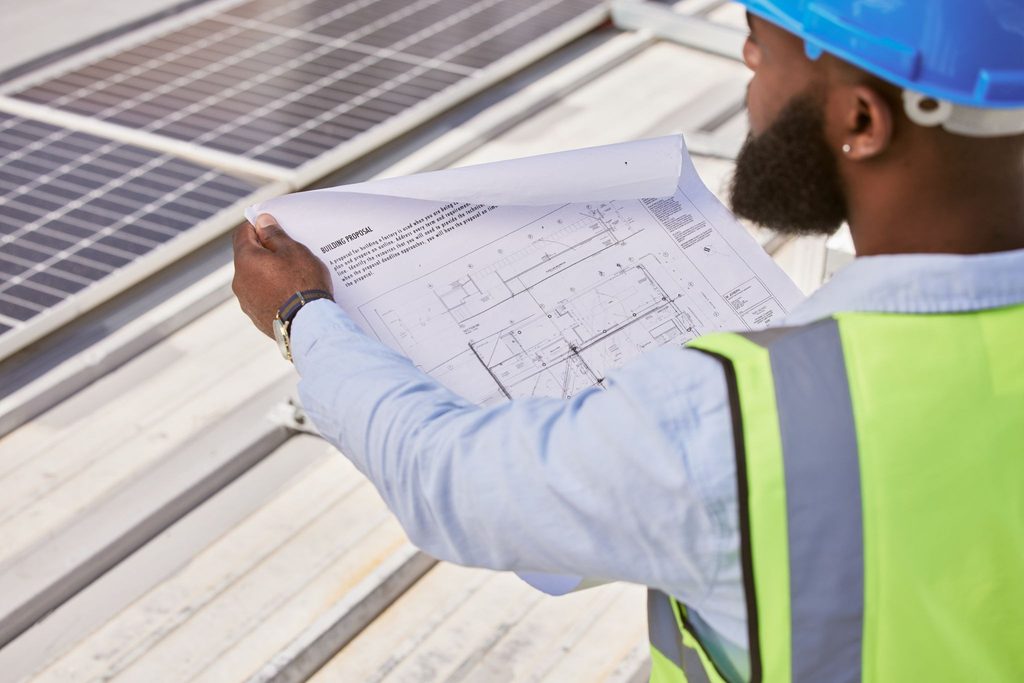
A review of existing structural drawings should include structural and architectural drawings, roof plans, previous structural calculations, renovation records, repair or modification records, and original design specifications, establishing how the roof was designed and where its main structural members are located.
If drawings are unavailable, the engineer may need to rely more heavily on site measurements, inspections and other available evidence instead.
What Does a Physical Roof Inspection Check?
A physical roof inspection examines the actual condition of the roof and supporting structure, checking for corrosion, cracks, deformation, damaged members and deterioration, since a roof that was structurally adequate when newly constructed may have a very different capacity after years of exposure and modification.
The roof covering should also be inspected for problems such as leaks, damaged sheets, ponding water and deteriorated waterproofing. SEDA Malaysia has also highlighted roof or structural condition, space availability and other site factors as important considerations during rooftop solar site surveys.
How Are Existing Loads on the Roof Assessed?
Existing loads on the roof are assessed by cataloguing what is already acting on the structure, including existing roofing materials, mechanical and electrical equipment, air-conditioning equipment, water tanks and other permanent installations, to determine how much of the roof’s available capacity is already being used.
How Are Proposed Solar Loads Calculated?
Proposed solar loads are calculated by accounting for the weight and arrangement of the panels, mounting system and associated equipment, but the calculation should not stop at dead weight, since the proposed installation can also change how forces such as wind uplift are transferred into the existing roof structure.
The structural assessment should therefore consider the relevant load combinations and how the proposed mounting arrangement transfers those forces into the existing roof structure. A qualified engineer should carry out these calculations rather than relying on a generic assumption about panel weight.
What Wind and Environmental Loads Should Be Considered?
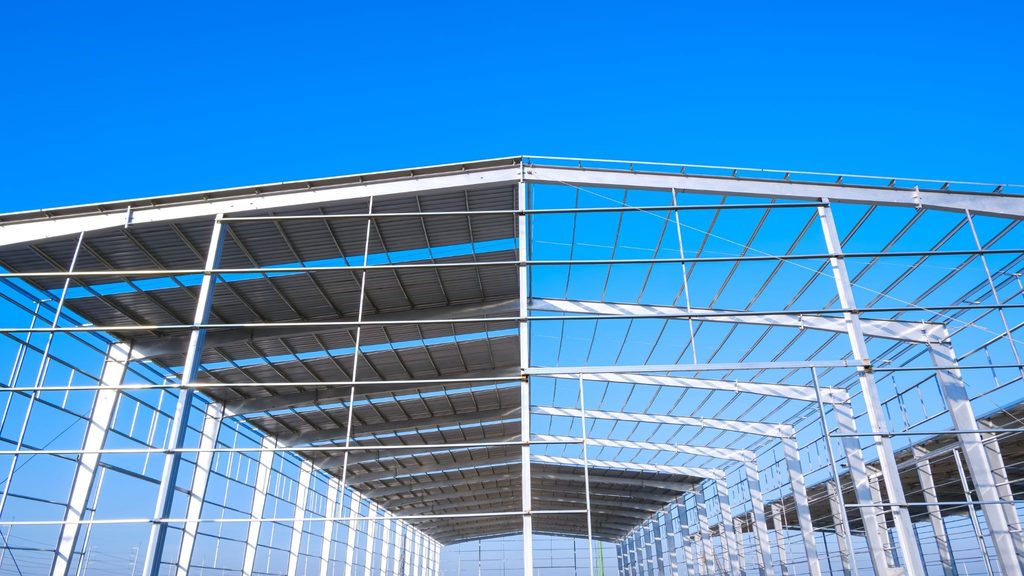
Wind and environmental loads matter because solar panels effectively introduce another surface to the roof, and depending on roof type, mounting system, building height and exposure, wind can create uplift forces that affect both the PV system and the underlying structure. Malaysia has no snow loading, but wind remains an important consideration.
For flat roofs, the choice between different mounting approaches can also affect how loads are distributed across the roof.
You can explore Suria & Sonne’s Solar Building solutions to understand how solar PV can be applied to commercial properties.
Why Do Roof Waterproofing and Drainage Matter?
Roof waterproofing and drainage matter because the installation must avoid obstructing drainage paths or creating areas where water can accumulate, since ponding can increase loading and potentially accelerate deterioration. The location of roof penetrations, mounting points, cable routes and maintenance access should be considered during design.
What Are the Possible Outcomes of a Structural Audit?
A structural audit should ultimately answer whether the existing structure can safely support the proposed solar installation, comparing calculated loads against available roof capacity. The outcome could be that the roof is suitable as is, needs a modified PV design, requires reinforcement in certain areas, or is unsuitable without significant structural work.
If reinforcement is necessary, it should ideally be identified before the solar installation begins, not discovered partway through construction.
Why Does This Matter for Commercial Solar Services?
This matters for commercial solar services because a structural audit should not be treated as a paperwork exercise; the roof assessment can influence system design, installation method, project cost and long-term reliability, and may help avoid expensive surprises during construction once installation is already underway.
Malaysia’s current Solar ATAP programme allows non-domestic consumers to install solar PV systems, with the programme setting an installation capacity limit of up to 100% of maximum demand or 1 MW, and larger proposed systems may also require technical assessments depending on capacity. That makes proper early-stage planning even more valuable for commercial properties considering substantial rooftop systems.
You can learn more about Suria & Sonne’s solar solutions and the company’s approach to solar PV installation.
Can Solar Help Businesses Save Money?
Solar can help businesses save money because commercial buildings such as offices, factories, warehouses and retail premises often consume significant amounts of electricity during daylight hours, precisely when rooftop solar is generating electricity, making the savings opportunity potentially even more compelling than for homeowners.
The answer still depends on electricity consumption, tariff, system size, roof orientation, shading, operating patterns and how much generated electricity is used, so savings should always be calculated from the property’s actual electricity consumption and proposed system rather than relying on a generic percentage.
You can view Suria & Sonne’s solar projects to see examples of completed installations.
Frequently Asked Questions About Commercial Roof Structural Audits
Conclusion
A commercial rooftop can be a valuable energy-generating asset, but solar panels should never be installed simply because there appears to be enough space on the roof. A proper structural audit looks at the building’s drawings, existing condition, current loads, proposed solar loads, wind effects, waterproofing, drainage and available structural capacity.
For businesses considering commercial solar services, the structural audit is therefore not merely another box to tick. It is one of the foundations of a safe, reliable and financially sensible rooftop solar project. At Suria & Sonne, we build this assessment into every commercial project from the start. Book a consultation to have your roof properly assessed before design begins.
Considering solar for your property?
Talk to our team about your electricity use and your roof, and we will recommend a system that fits.